Calendar

The Aalto Works series, consisting of thirteen sites in Finland designed by Alvar, Aino and Elissa Aalto, has been nominated for the UNESCO World Heritage List.

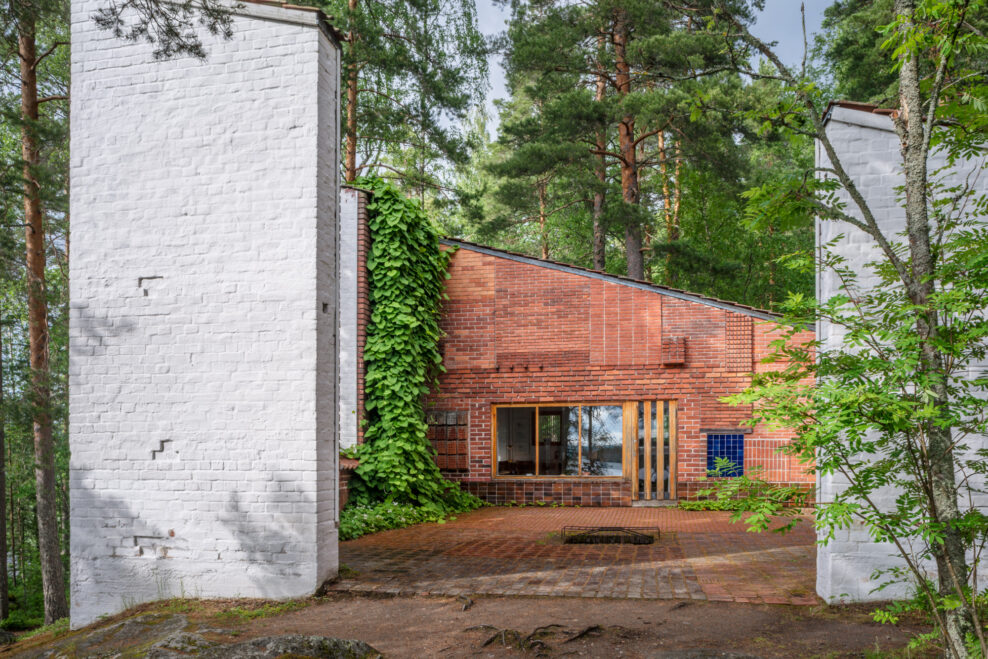
Muuratsalo Experimental House (1952–54). Photo: Maija Holma © Alvar Aalto Foundation.

UNESCO World Heritage Nomination – Aalto Works site 001

Sunila Pulp Mill Residential Area (1936–38, 1947, 1951–54)

Alvar Aallonkatu 1, 48900 Kotka
Pulp Mill residential area

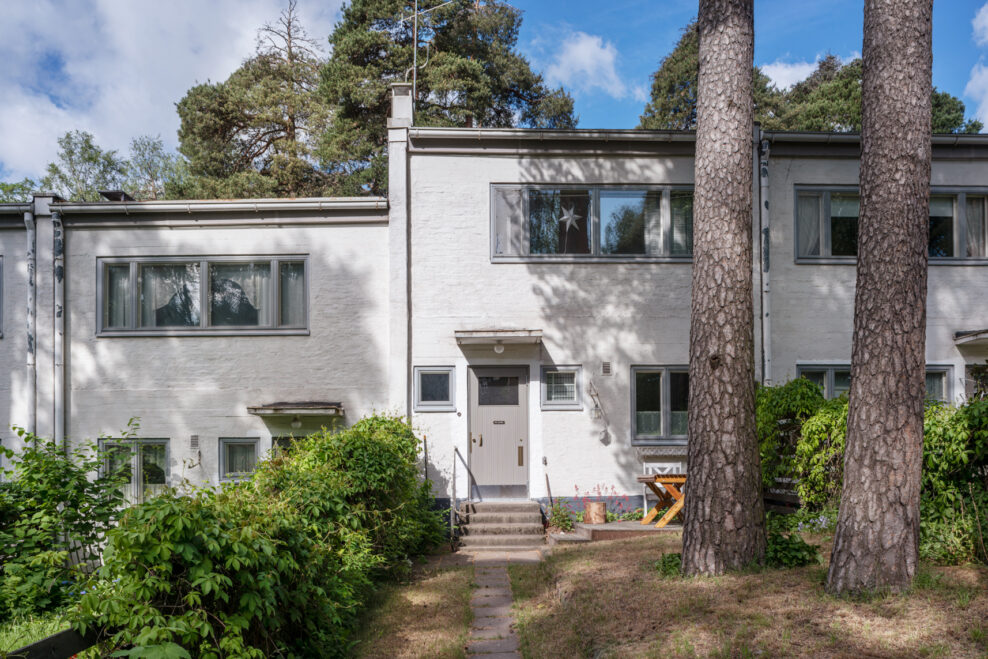
Sunila represents the ideal of functionalist town planning, in which industrial plants, residential buildings and nature form a coherent whole. It is an example of a residential environment built in a forested cultural landscape for mill workers, its design incorporating equality, health, and the needs of the individual. The area represents early industrial modernism, where employer and employees, architecture and social well-being meet.

Current state and future

The area has been designated a national urban park in accordance with the Land Use and Building Act (2014). The residential buildings are privately owned.

Sunila Pulp Mill Residential Area (1936–38, 1947, 1951–54). Photo: Maija Holma © Alvar Aalto Foundation.

Sunila Pulp Mill Residential Area (1936–38, 1947, 1951–54). Photo: Maija Holma © Alvar Aalto Foundation.

UNESCO World Heritage Nomination – Aalto Works site 002

Paimio Sanatorium (1929–33)

Alvar Aallon tie 275, 21540 Paimio
Tuberculosis sanatorium

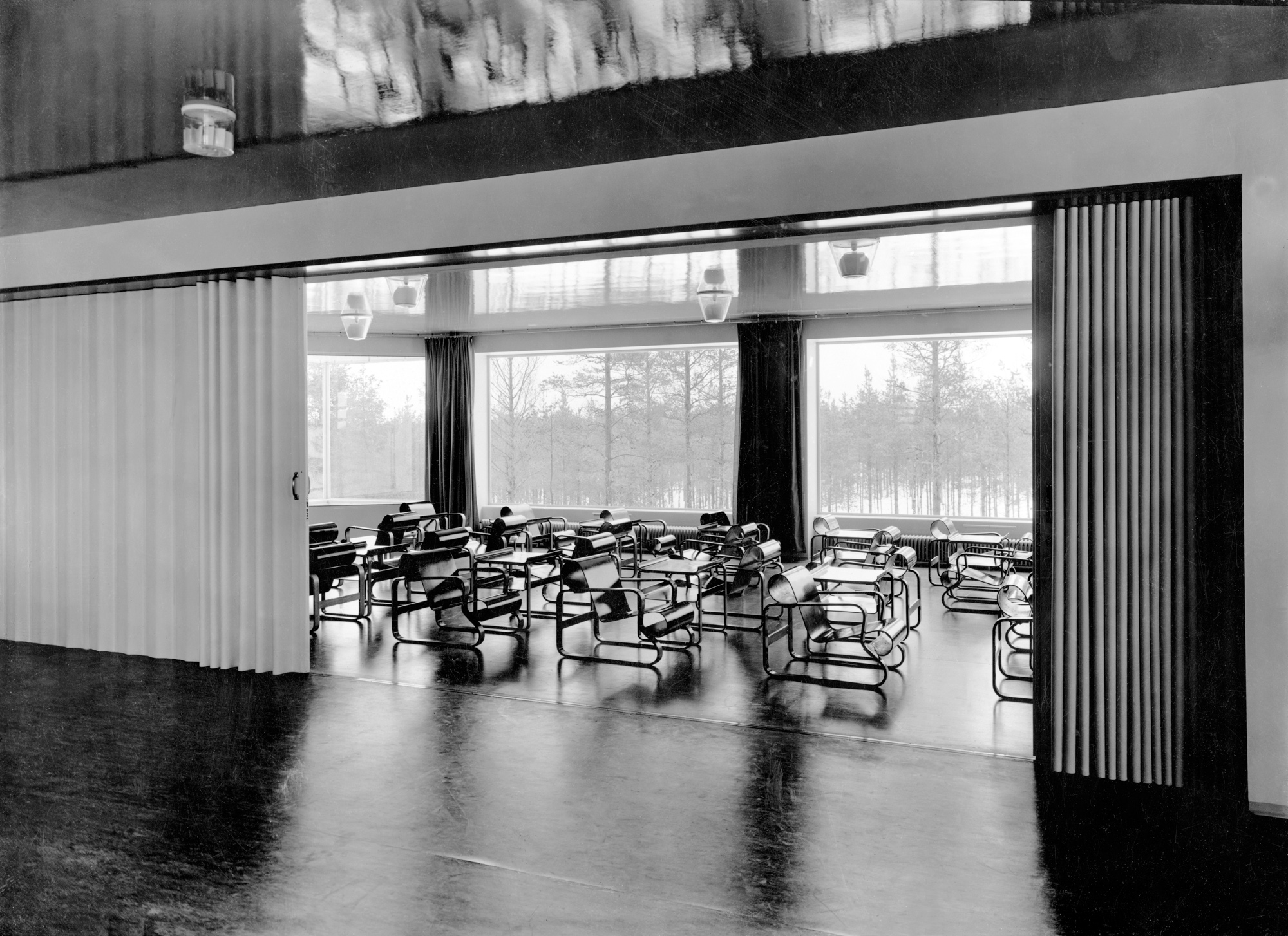
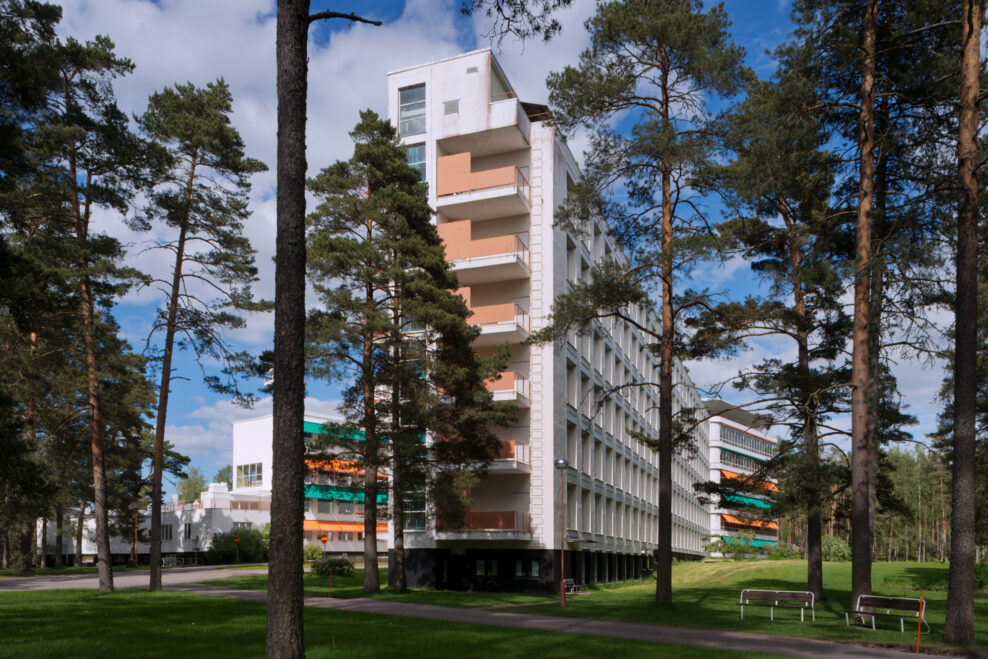
Paimio Sanatorium is a masterpiece of humanist modernism, in which the architecture, lighting, and colour scheme have been designed to promote patients’ well-being and healing. This perspective represents a new type of design that supports medical care, with architectural solutions based on patients’ needs. The building is an internationally unique, well-preserved tuberculosis sanatorium complex.

Current state and future

The building is protected under the Building Protection Act (1993). The sanatorium is open to the public and is being developed as a tourist destination.

Paimio Sanatorium (1929–33). Photo: Gustaf Welin © Alvar Aalto Foundation.

Paimio Sanatorium (1929–33). Photo: Maija Holma © Alvar Aalto Foundation.

UNESCO World Heritage Nomination – Aalto Works site 003

Säynätsalo Town Hall (1949–52)

Parviaisentie 9, 40900 Säynätsalo
Town Hall

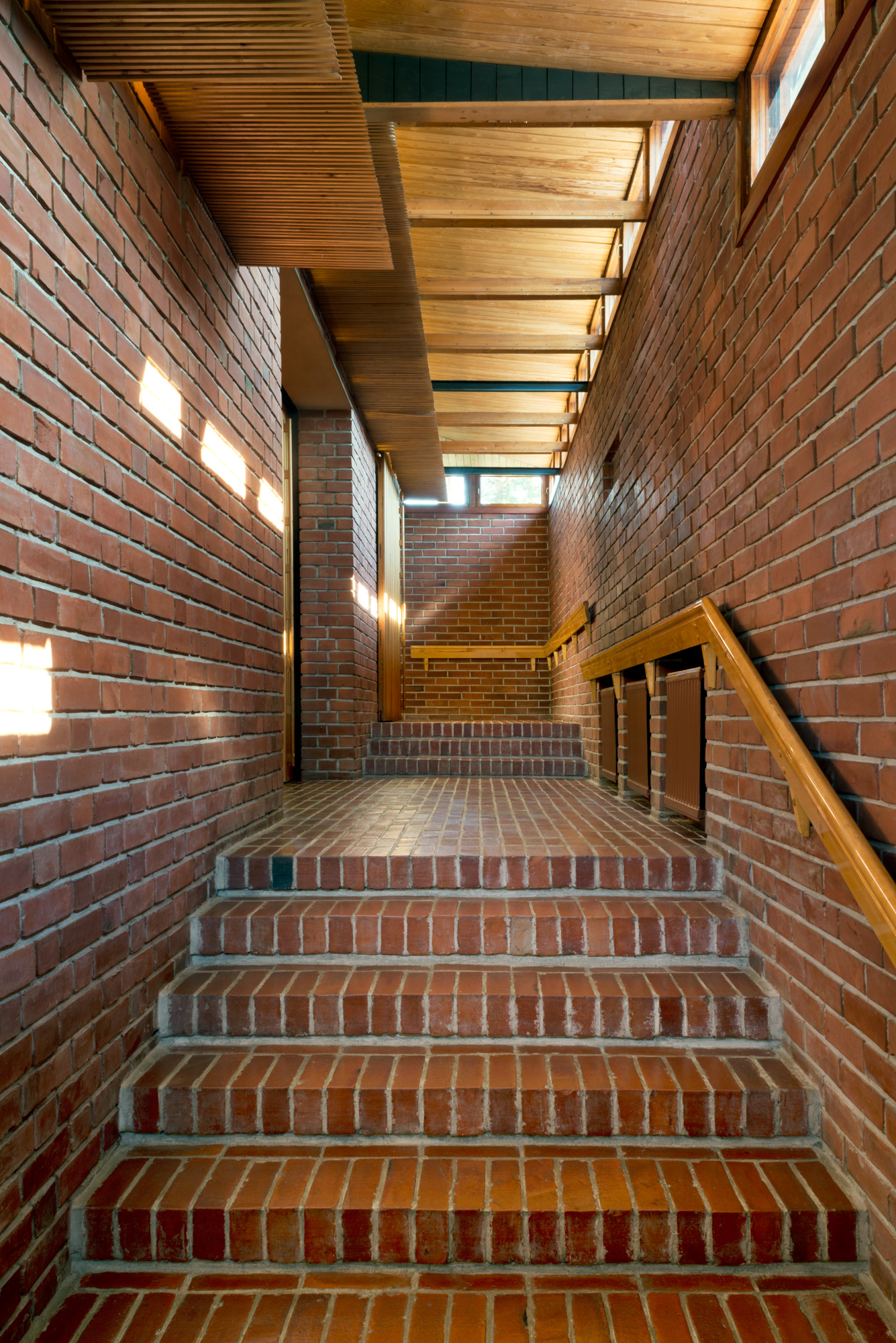
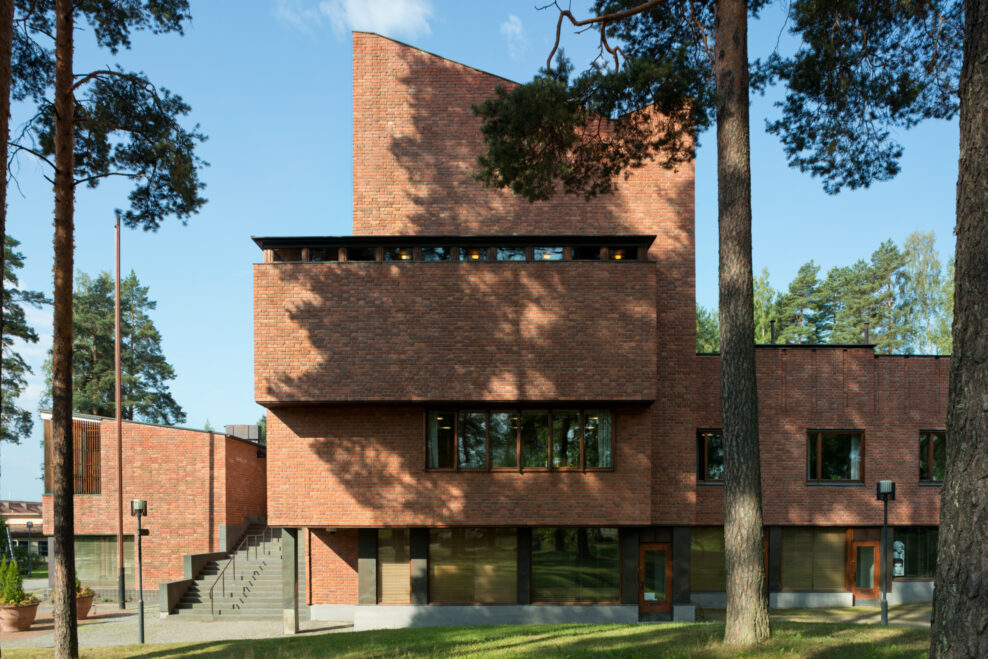
Säynätsalo Town Hall is an architectural symbol of modern municipal democracy. The building emphasises the importance of municipal self-government, which interweaves citizenship, community and architecture. The various spaces in the Town Hall and its courtyards have been designed to encourage participation, interaction, and local democracy among residents. The site’s value comes from the building’s design solutions that underpin a sense of community, and from its unique brick architecture.

Current state and future

The building is protected under the Building Protection Act (1995). Use of the building as a tourist destination is being developed, and the site also houses services for local residents.

Säynätsalo Town Hall (1949–52). Photo: Maija Holma © Alvar Aalto Foundation.

Säynätsalo Town Hall (1949–52). Photo: Maija Holma © Alvar Aalto Foundation.

UNESCO World Heritage Nomination – Aalto Works site 004

Seinäjoki Civic Centre, Seinäjoki (1951–87)

Koulukatu 21, 60100 Seinäjoki
Town Centre

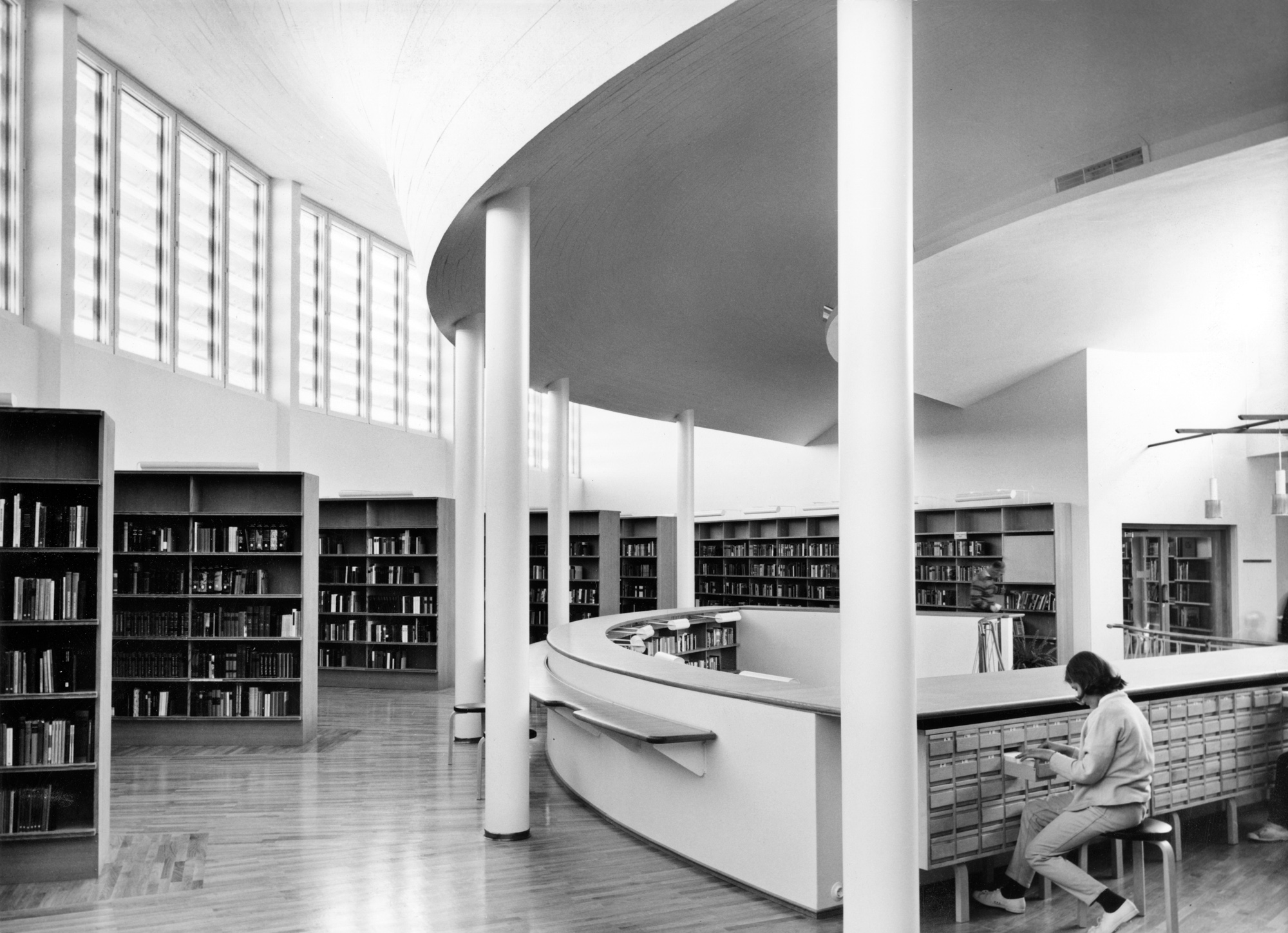
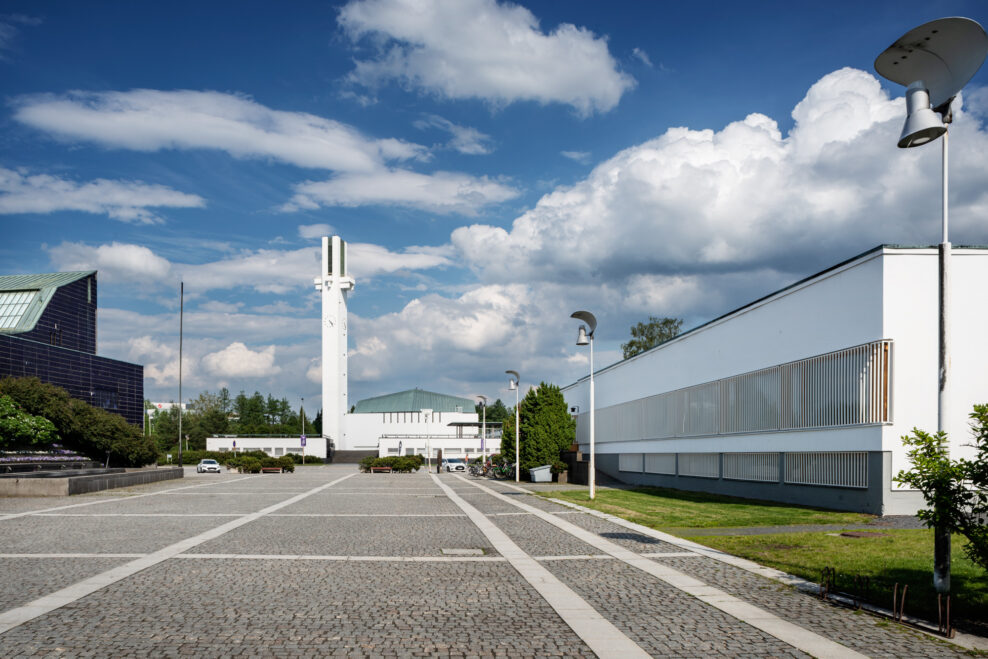
Seinäjoki’s administrative and cultural centre is an integrated, modern town centre where the town hall, church and cultural buildings form an architecturally coherent whole. Its value is based on holistic urban planning and the ideal of public architecture strengthening democracy and civic identity by providing communal gathering places for town residents.

Current state and future

The church is protected under the Church Act (2005) and other buildings under the Building Protection Act (2005). The Aalto Centre is the vibrant public and cultural heart of the town, and the aim is to maintain its value within the townscape.

Seinäjoki Civic Centre, Seinäjoki (1951–87), library. Photo: Eva and Pentti Ingervo © Alvar Aalto Foundation.

Seinäjoki Civic Centre, Seinäjoki (1951–87). Photo: Maija Holma © Alvar Aalto Foundation.

UNESCO World Heritage Nomination – Aalto Works site 005

National Pensions Institute KELA (1953–57)

Nordenskiöldinkatu 12, 00250 Helsinki
Administration building

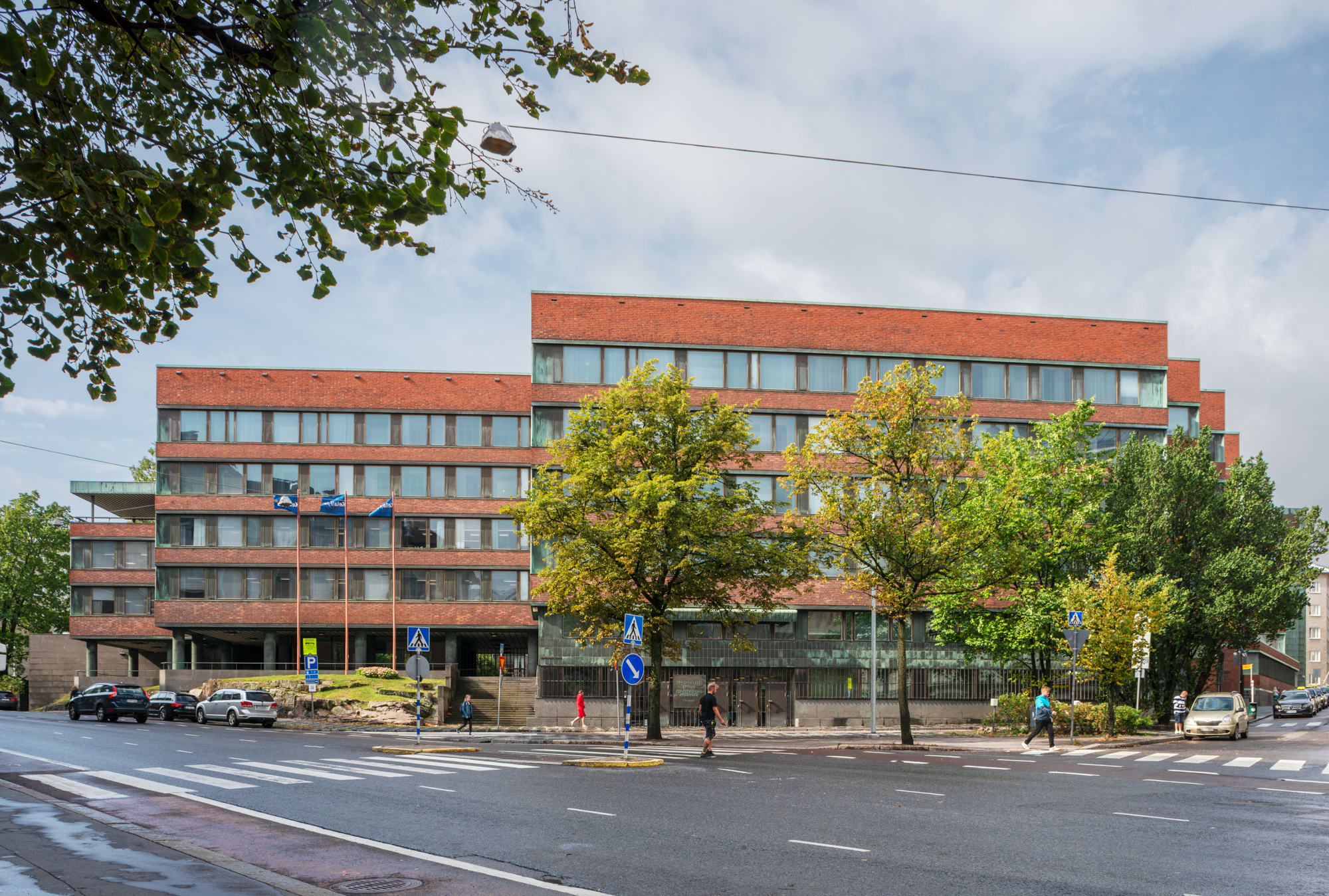
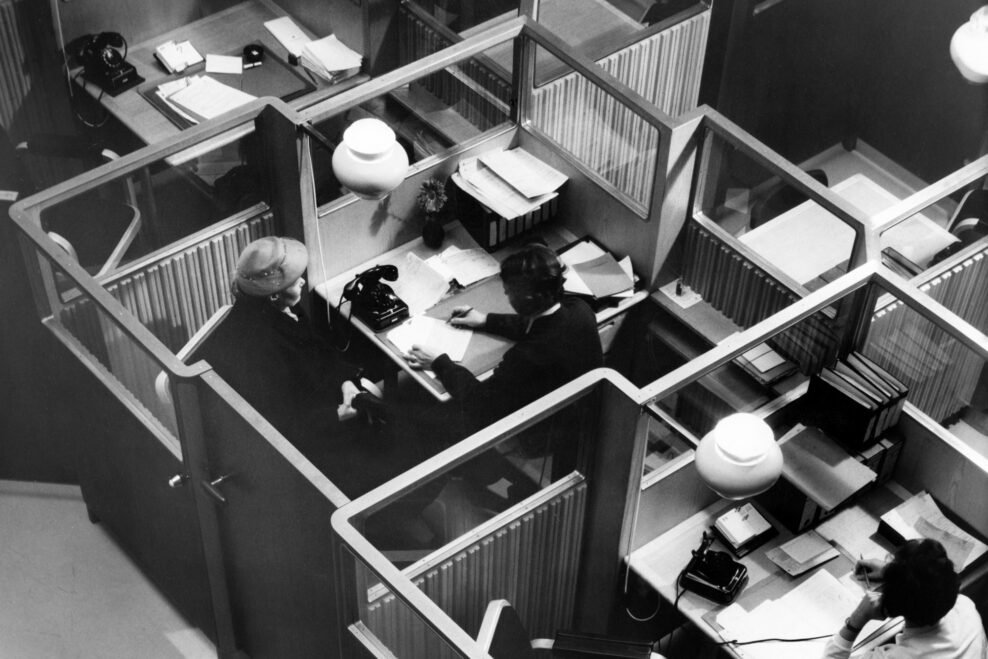
The National Pensions Institute headquarters is an example of a building that combines the development of the welfare state with human-centred office architecture. The value of the building lies in its high-quality materials, the design of the spaces and circulation routes, the use of natural light, and the building’s significance as a symbol of societal modernisation. The site represents administrative construction, which brings public services and architecture together.

Current state and future

The building is protected under the Building Protection Act (2024) and is in its original use.

National Pensions Institute KELA (1953–57). Photo: Maija Holma © Alvar Aalto Foundation.

National Pensions Institute KELA (1953–57). Photo: Heikki Havas © Alvar Aalto Foundation.

UNESCO World Heritage Nomination – Aalto Works site 006

Finlandia Hall (1962/1967–75)

Mannerheimintie 13 e, 00100 Helsinki
Congress and Cultural Building

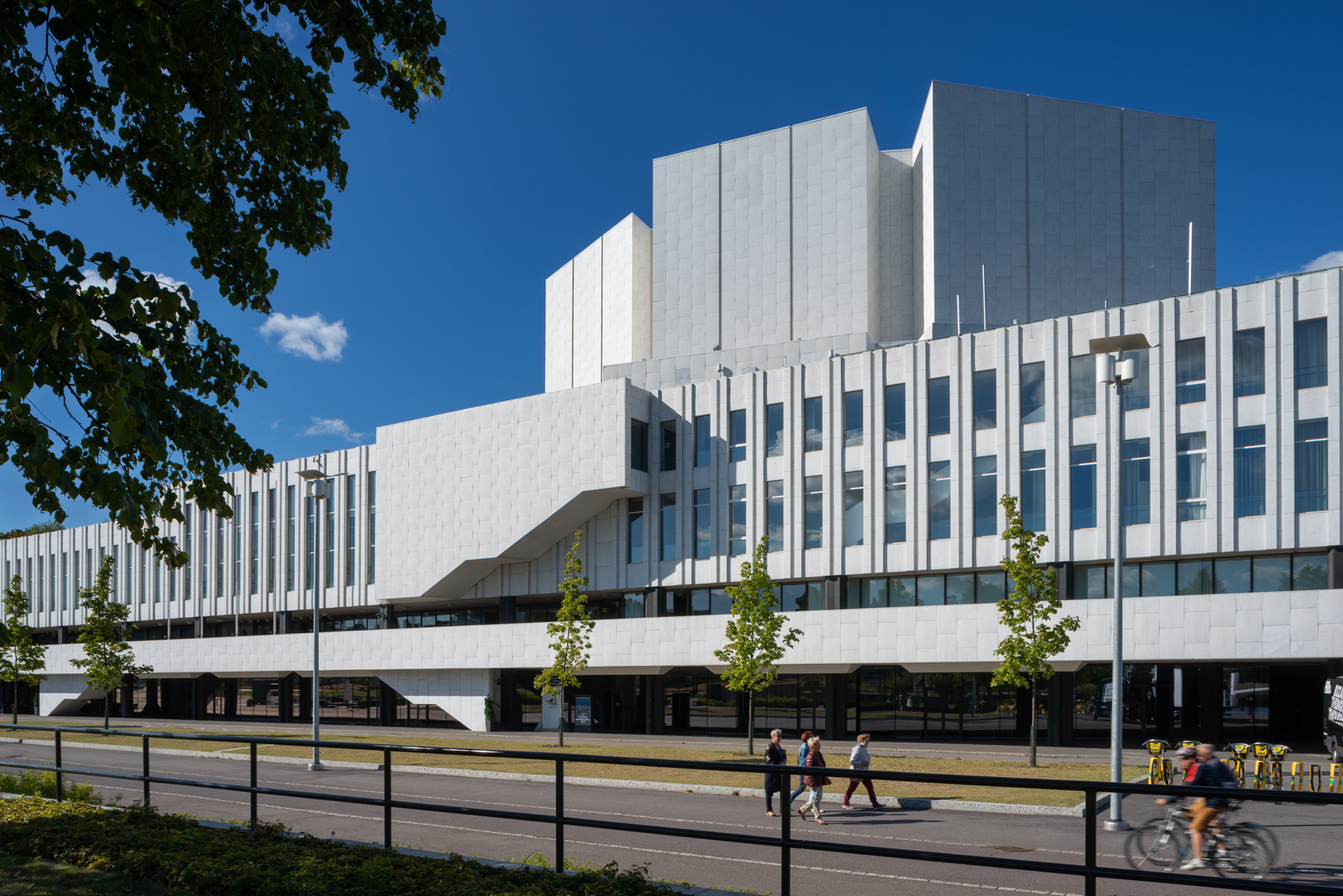
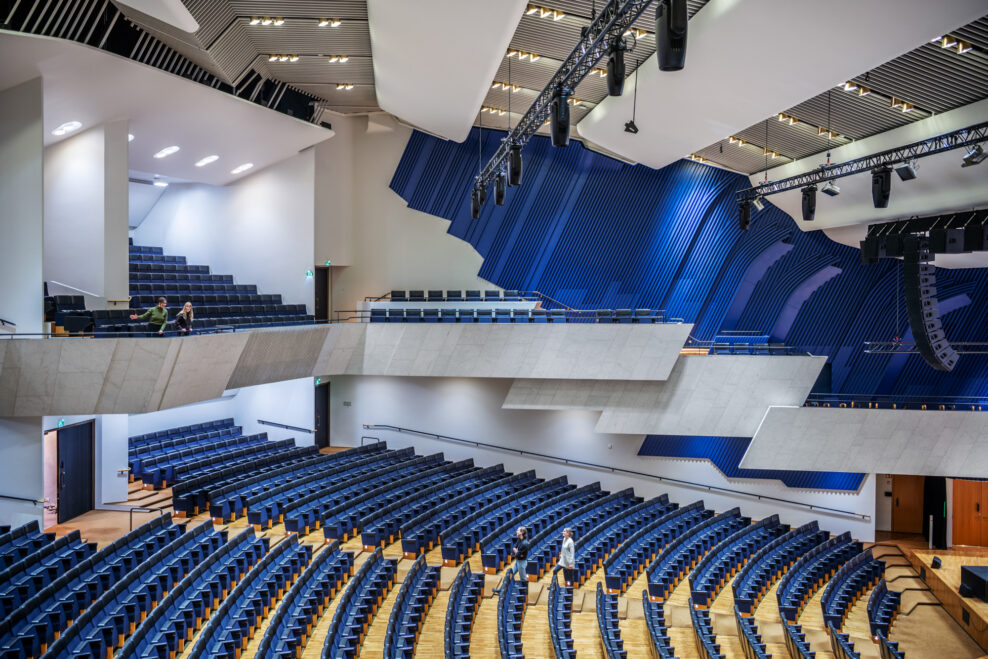
Finlandia Hall is a national and international monument, its value being linked to its role as a symbol of cultural diplomacy and modernism. The building’s marble façade, monumental massing, and location in an urban park emphasise its role as a state-owned, representative building. Finlandia Hall serves as a venue for concerts, events and public occasions, thus signifying cultural democracy and accessibility to all.

Current state and future

The building is protected under the Building Protection Act (2002). Finlandia Hall is an active event venue offering visitors a variety of services.

Finlandia Hall (1962/1967–75). Photo: Maija Holma © Alvar Aalto Foundation.

Finlandia Hall (1962/1967–75). Photo: Maija Holma © Alvar Aalto Foundation.

UNESCO World Heritage Nomination – Aalto Works site 007

The Aalto House (1935–36)

Riihitie 20, 00330 Helsinki
Residential building

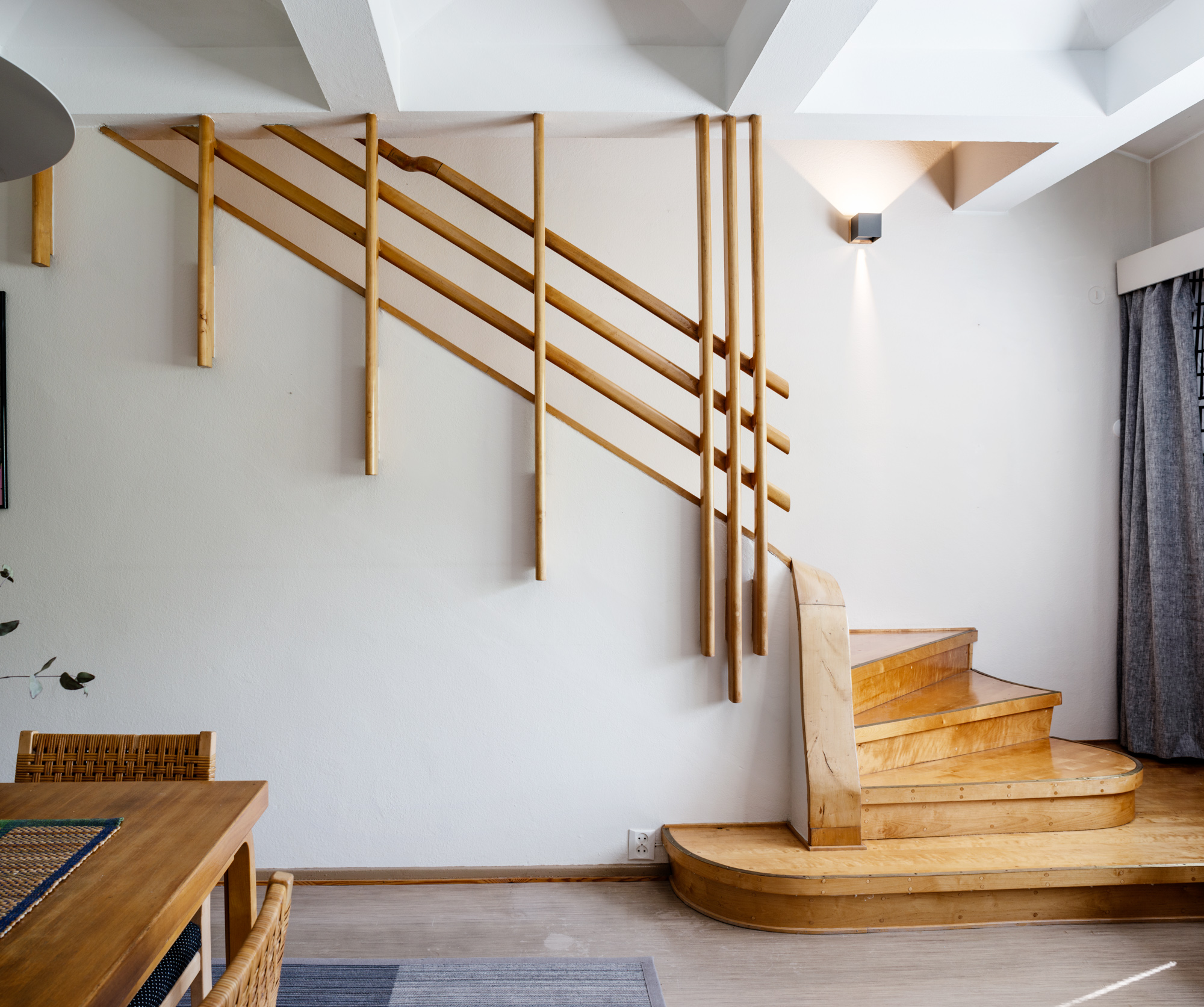
The Aalto House exemplifies the key features of modern living and the architects’ personal design philosophy. The value of the building comes from its authentic interior, the diverse use of materials, and the fact that it represents a synthesis of the architects’ own family life and creative work. The design of the building’s spaces typifies the human scale of the Aaltos’ modernism.

Current state and future

The building is protected under the Building Protection Act (1982) and is open to visitors as a museum. The extremely well-preserved interior is carefully maintained.

The Aalto House (1935–36). Photo: Wolfgang Heine © Alvar Aalto Foundation.

The Aalto House (1935–36). Photo: Maija Holma © Alvar Aalto Foundation.

UNESCO World Heritage Nomination – Aalto Works site 008

Studio Aalto (1954–55, 1962–63)

Tiilimäki 20, 00330 Helsinki
Architects’ studio building

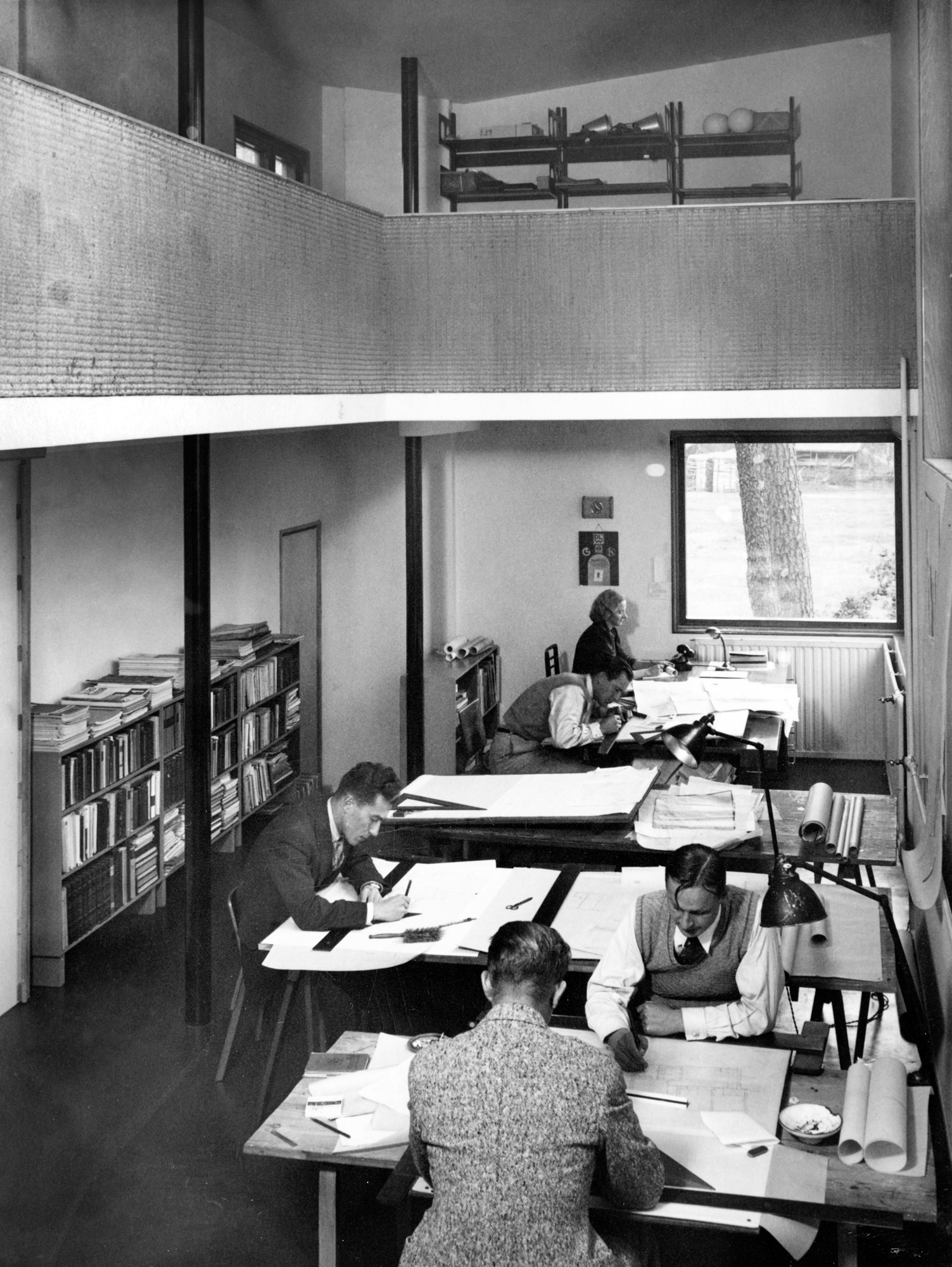
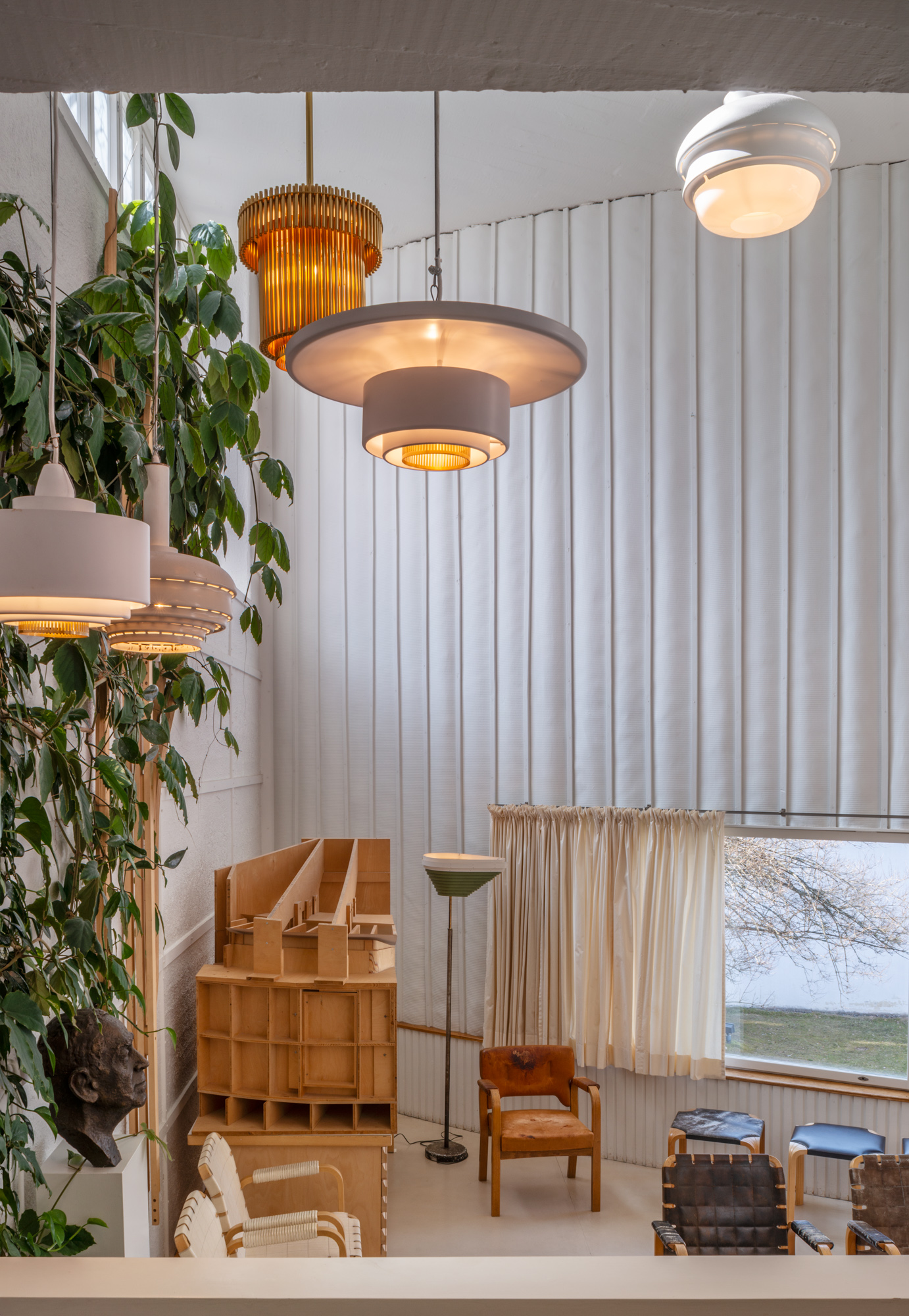
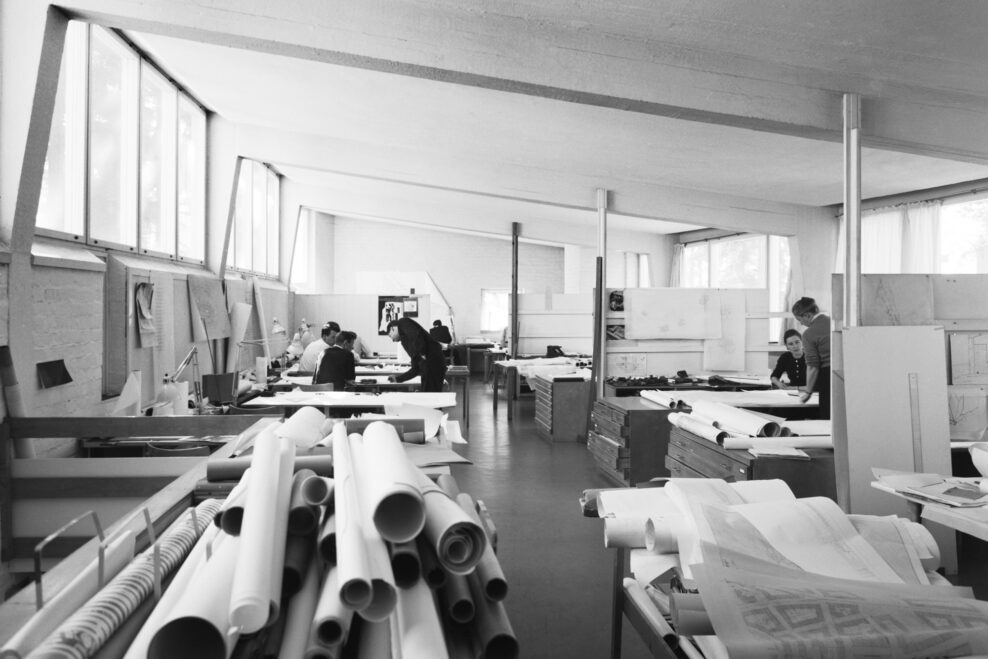
Studio Aalto is the historical heart of Alvar and Elissa Aaltos’ design work and architectural creativity. The value of the building derives from its role as a concrete hub for the Aaltos’ working methods and design processes. Natural light, open workspaces, and experimental solutions served as the starting points for the design of the Studio building.

Current state and future

The building is protected under the Building Protection Act, which also covers the interior and furniture, plus the courtyard (2024). The Studio, which has been carefully maintained and preserved in its original state, is used by the Alvar Aalto Foundation and is open for the public to visit.

Studio Aalto (1954–55, 1962–63). Photo: Maija Holma © Alvar Aalto Foundation.

Studio Aalto (1954–55, 1962–63). Photo: Heikki Havas © Alvar Aalto Foundation.

UNESCO World Heritage Nomination – Aalto Works site 009

Muuratsalo Experimental House (1952–54)

Melalammentie 6, 40900 Säynätsalo
Summer residence

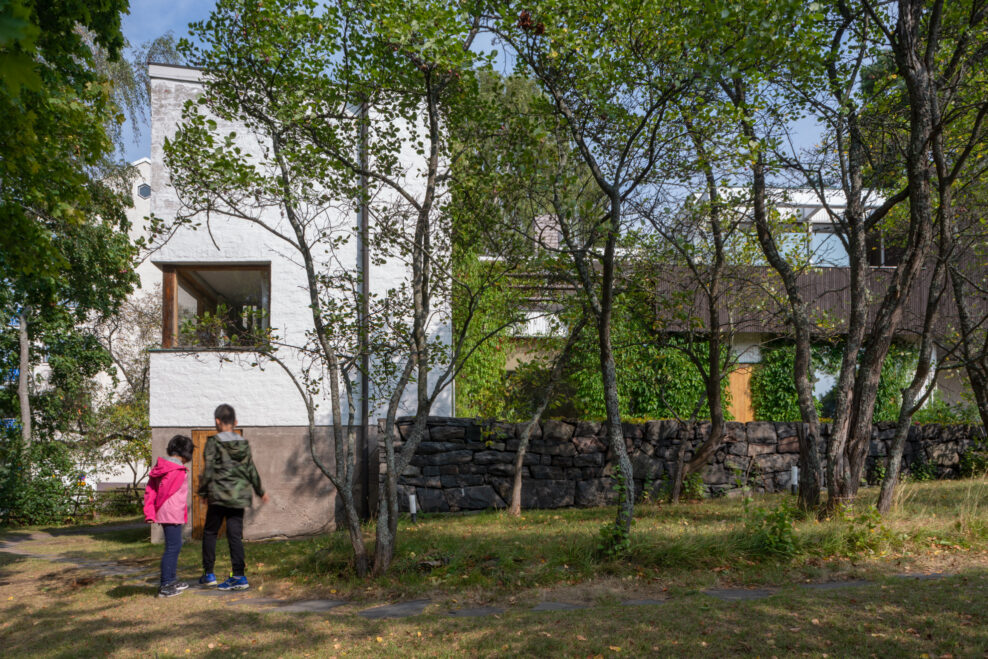
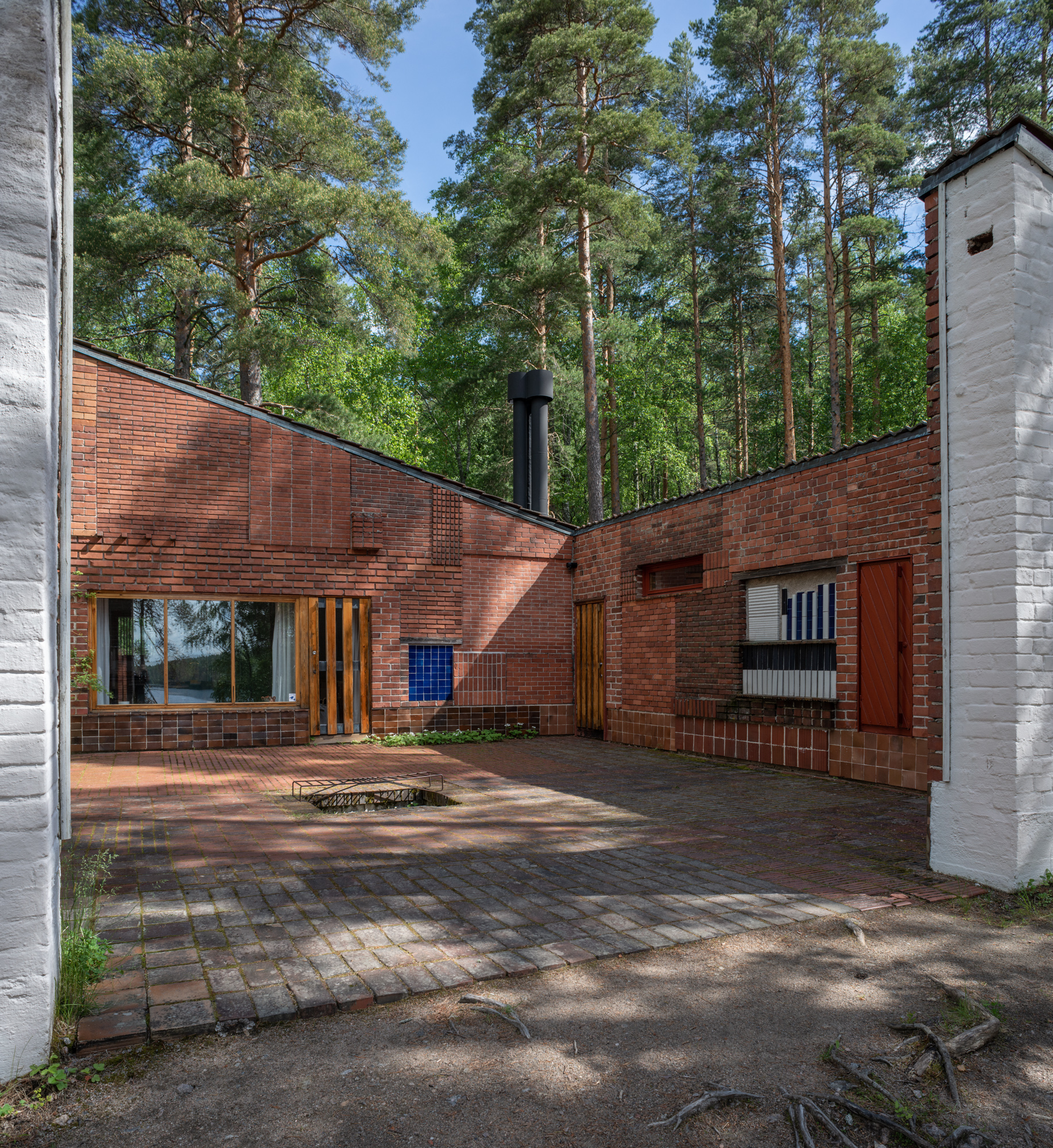
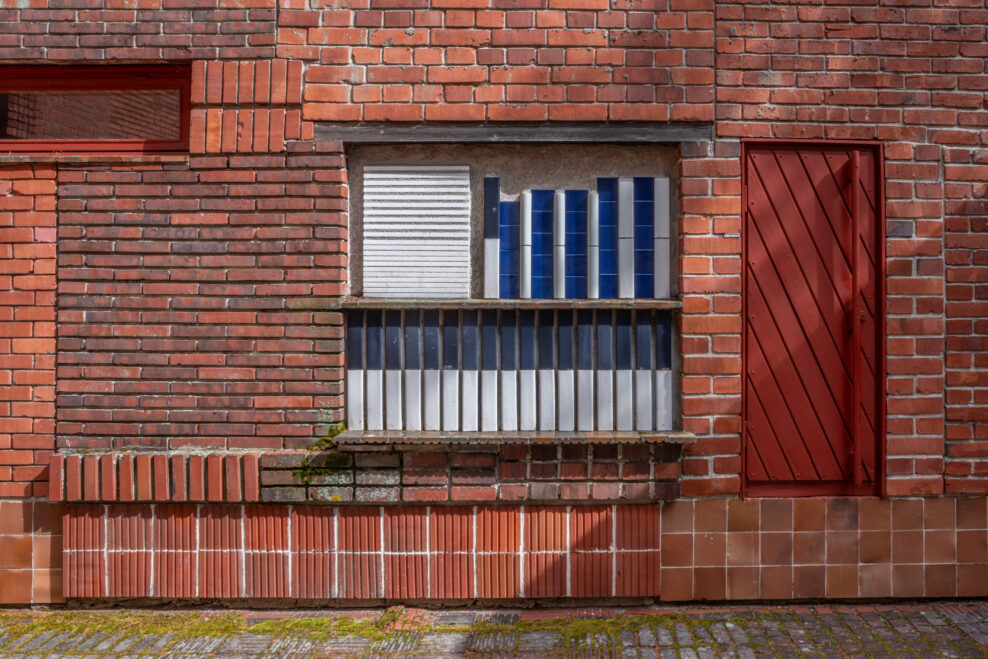
The Muuratsalo Experimental House is the Aaltos’ laboratory for experimental architecture and research. Its value is related to the building’s material experiments, test patches of brickwork, and especially the dialogue between building and nature. The building tells a unique story about the architect’s own approach to research and his constant desire to experiment.

Current state and future

The building is protected under the Building Protection Act (2023) and is open as a museum at limited times. Visitor numbers are kept under control in order to protect the building and its surroundings.

Muuratsalo Experimental House (1952–54). Photo: Maija Holma © Alvar Aalto Foundation.

Muuratsalo Experimental House (1952–54). Photo: Maija Holma © Alvar Aalto Foundation.

UNESCO World Heritage Nomination – Aalto Works Site 010

House of Culture (1952–58)

Sturenkatu 4, 00510 Helsinki
Cultural building

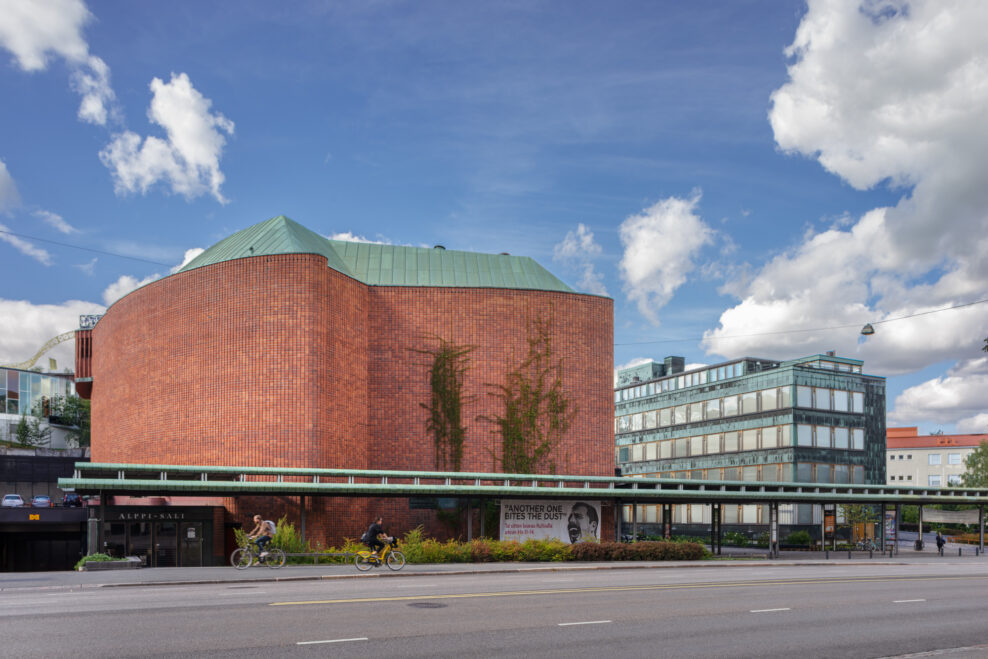
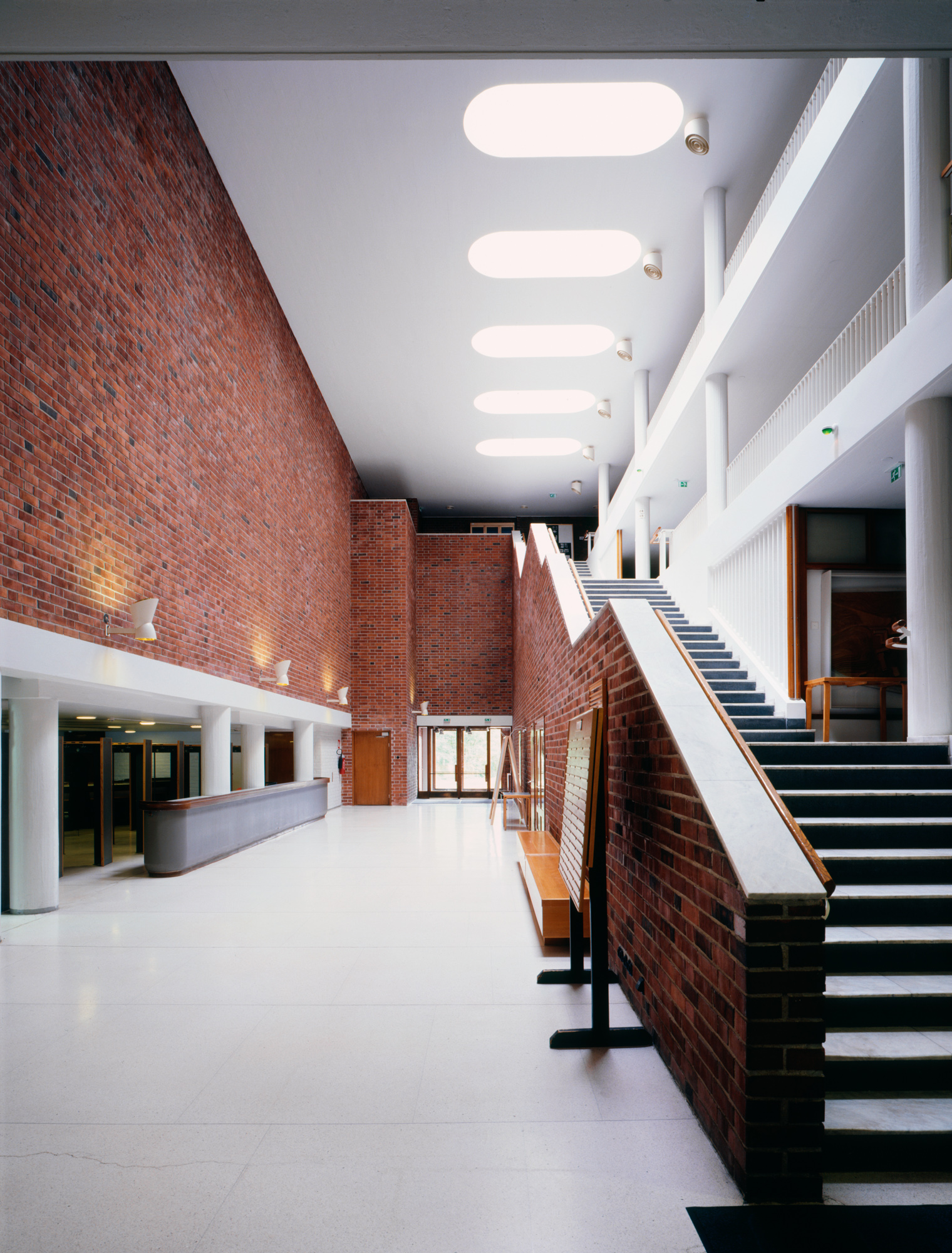
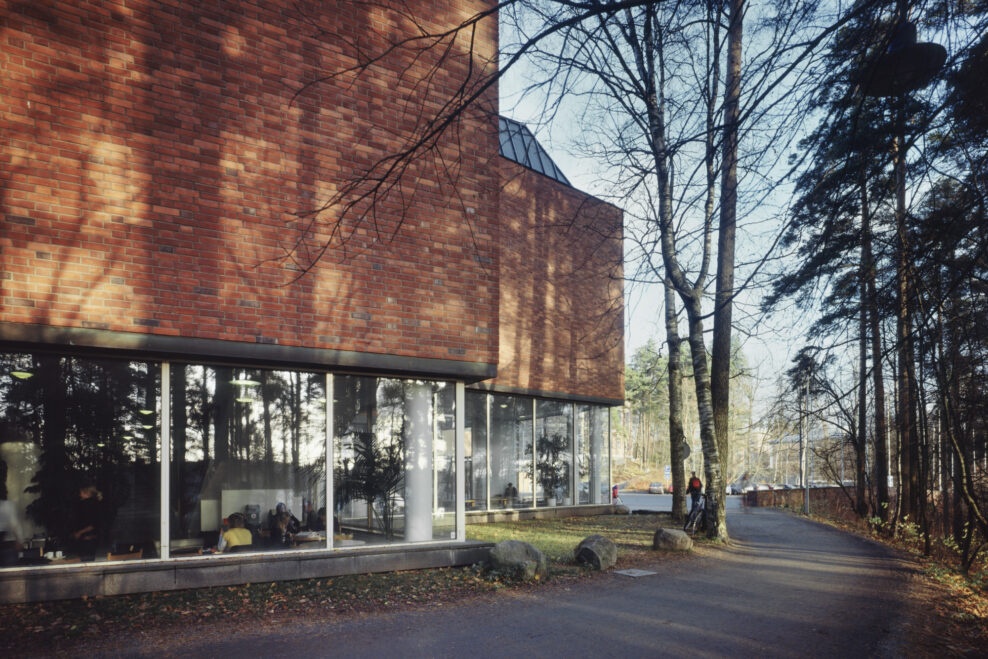
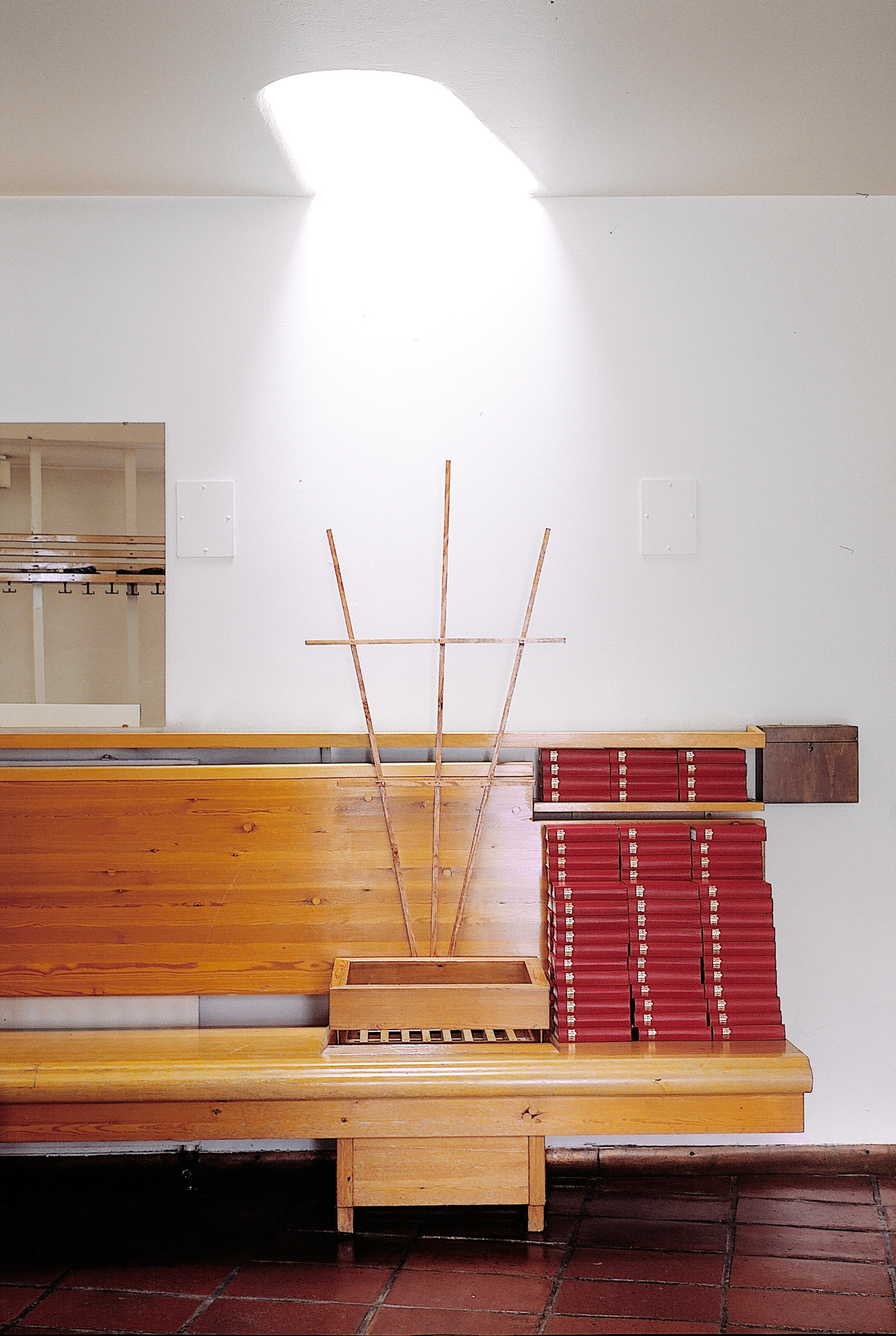
The House of Culture is a modernist expression of culture and community. The site gets its value from the combination of modifiable interiors, architectural uniqueness, and the civil society represented by the building. The building symbolises a cultural institution designed for everyone.

Current state and future

The building is protected under the Building Protection Act (1989) and is an active venue for diverse cultural events.

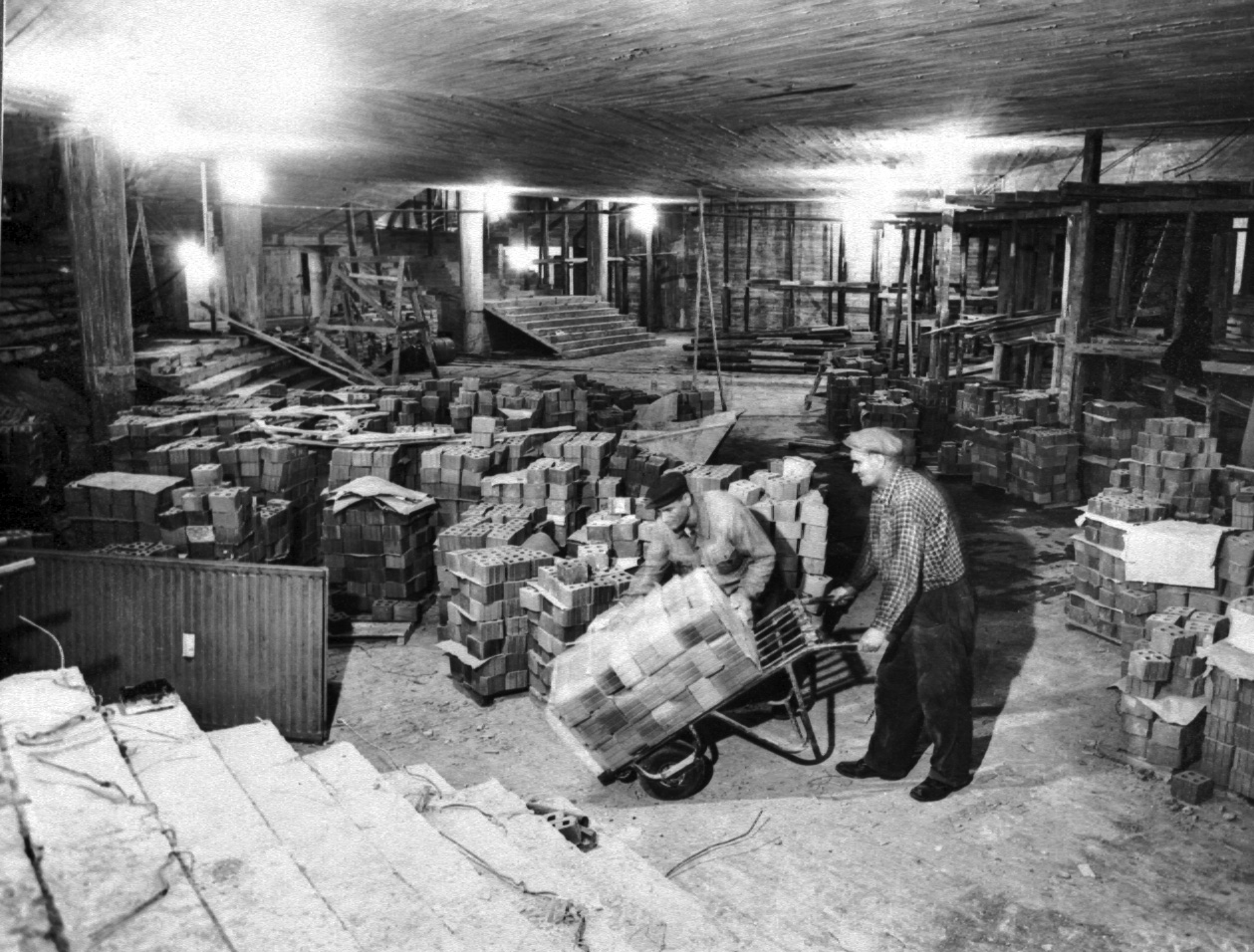
House of Culture (1952–58) during the construction. Photo: © Alvar Aalto Foundation.

House of Culture (1952–58). Photo: Maija Holma © Alvar Aalto Foundation.

UNESCO World Heritage Nomination – Aalto Works Site 011

University of Jyväskylä, Aalto Campus (1951–71)

Seminaarinkatu 15, 40100 Jyväskylä
University

The Aalto Campus at the University of Jyväskylä is a modern university-architecture complex, its brick buildings, landscape and functionality constituting a coherent pedagogical environment. It gets its value from the ordered, organic design of the campus, and the way the architecture supports teacher training and the development of science.

Current state and future

The campus buildings have been protected under the Building Protection Act at different times (1992, 1997, 2020). The Aalto Campus is part of the University of Jyväskylä and is in its original use.

University of Jyväskylä, Aalto Campus (1951–71). Photo: Maija Holma © Alvar Aalto Foundation.

University of Jyväskylä, Aalto Campus (1951–71). Photo: Maija Holma © Alvar Aalto Foundation.

UNESCO World Heritage Nomination – Aalto Works Site 012

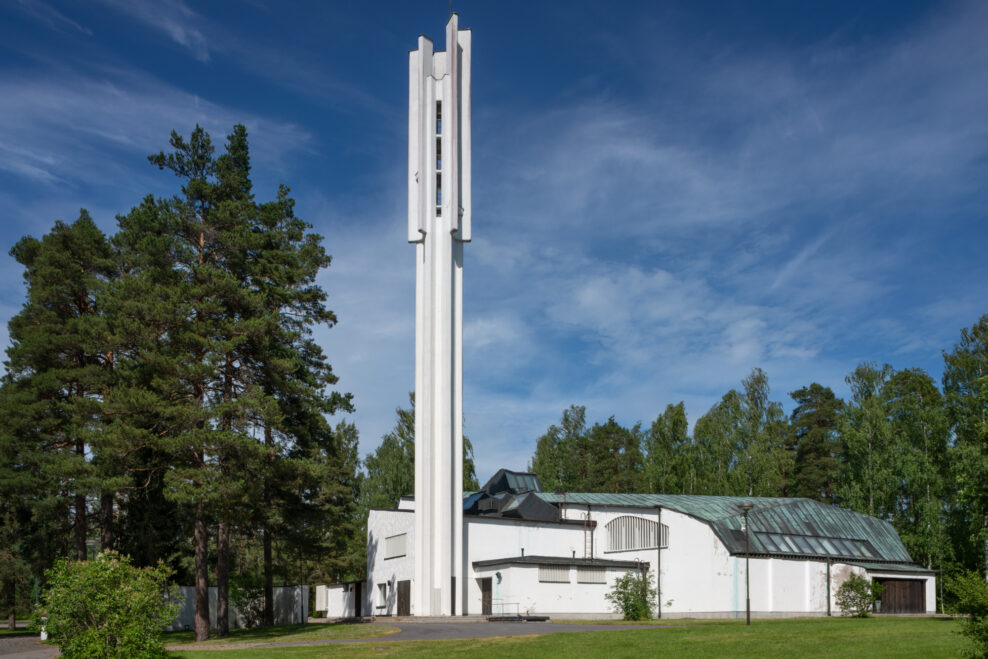
Church of the Three Crosses (1956–58)

Ruokolahdentie 27, 55800 Imatra
Church

The Church of the Three Crosses marks an innovation in religious architectural modernism. The building gets its value from the unique combination of natural light, modifiable spatial layout, and forested environment. The church’s architecture embodies the dialogue between spirituality and nature.

Current state and future

The church is protected under the Church Act (2003) and is in its original use as a church building.

Church of the Three Crosses (1956–58). Photo: Maija Holma © Alvar Aalto Foundation.

Church of the Three Crosses (1956–58). Photo: Maija Holma © Alvar Aalto Foundation.

UNESCO World Heritage Nomination – Aalto Works Site 013

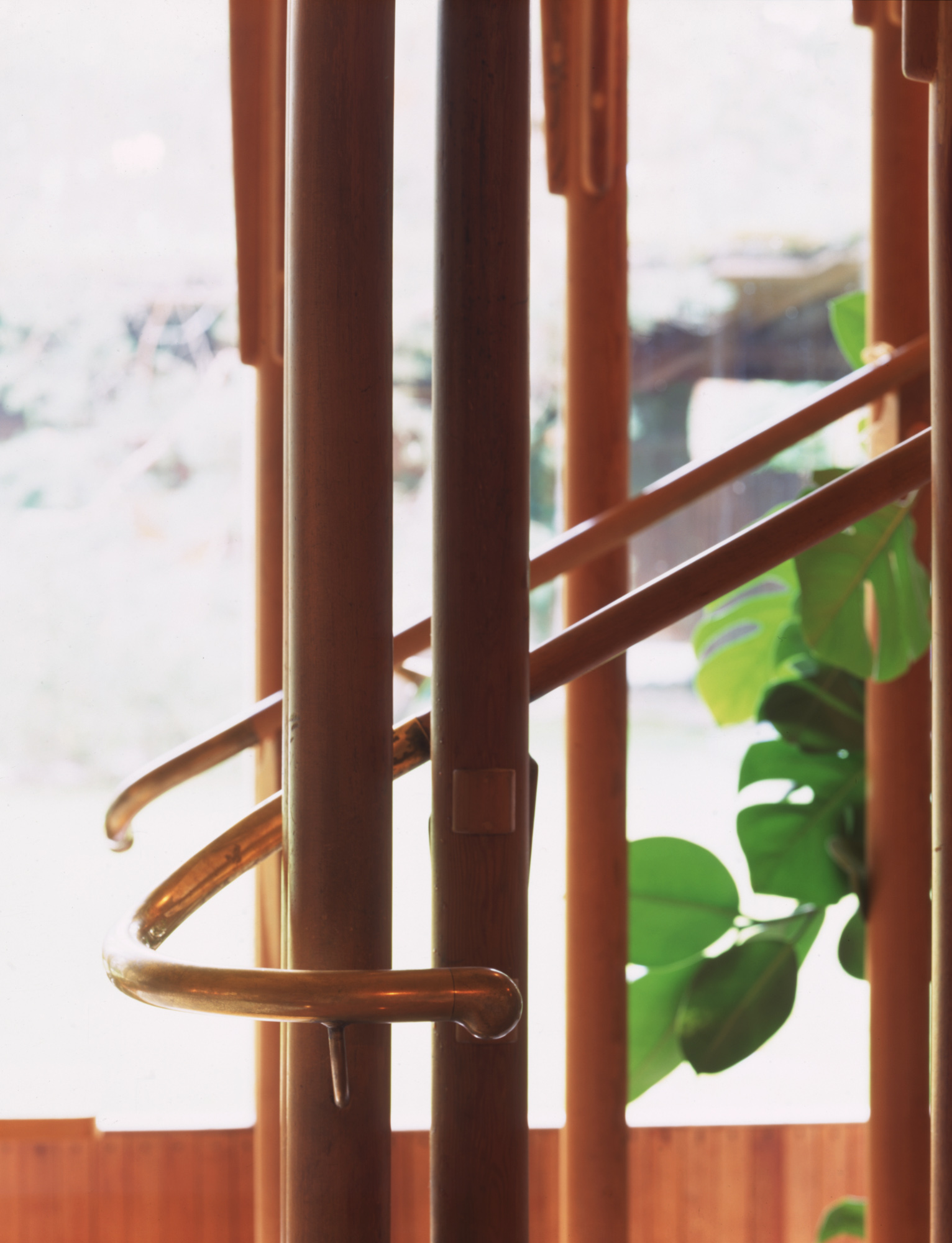
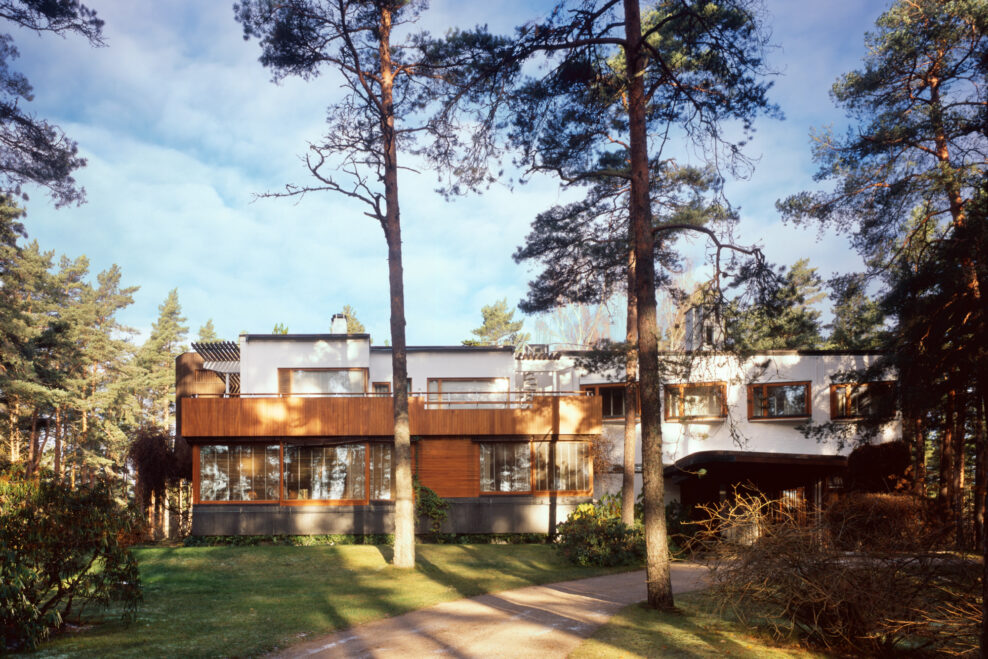
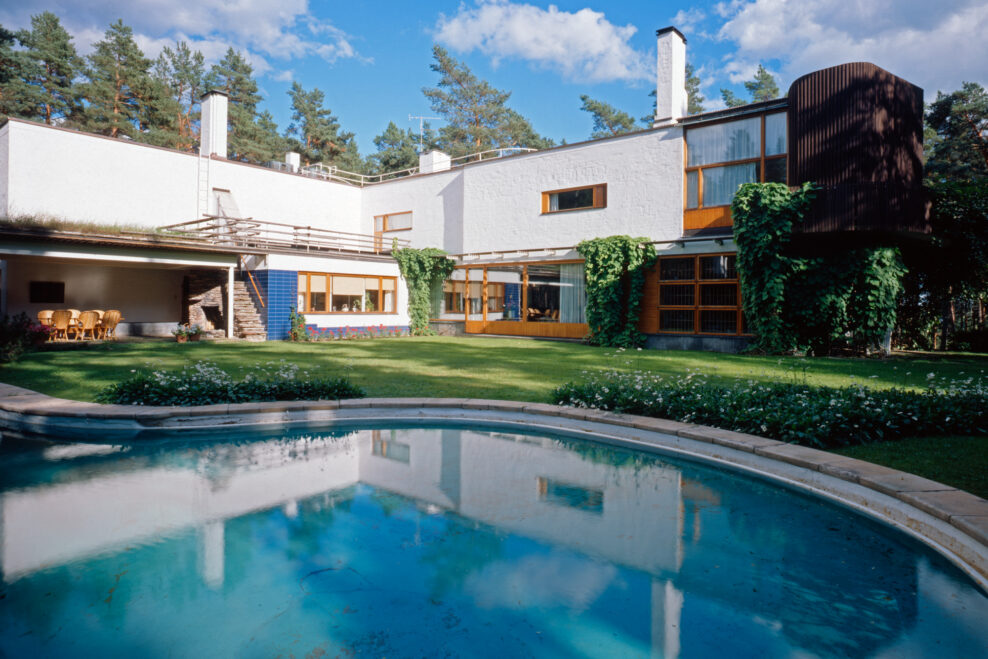
Villa Mairea (1938–39)

Pikkukoivukuja 20, 29600 Noormarkku
Residential building

Villa Mairea is a masterpiece of modernist residential architecture, its significance deriving from its perfect synthesis of art, architecture and nature. The building represents organic architecture and, at the same time, is a study in the possibilities of modern living. Its authentically preserved interiors and garden are an integral part of its value.

Current state and future

The building is protected under the Building Protection Act (2023) and is open to the public.

Villa Mairea (1938–39). Photo: Maija Holma © Alvar Aalto Foundation.

Villa Mairea (1938–39). Photo: Maija Holma © Alvar Aalto Foundation.

Use of cookies

This website uses cookies. The cookie information is stored in the browser and the information is used to identify the user. On this page, you can change the way you allow or deny the use of cookies.

Necessary cookies

Necessary cookies are essential in order to use certain functions on the website.

If you disable the necessary cookies, certain functions on the website will not work. In addition, we will not be able to save your prohibition on the use of cookies and will have to ask again later.

3rd Party Cookies

The site uses Google Analytics, which we use to analyze visitor numbers and site usage. Google Analytics associates this information with its own user data in accordance with its own privacy policy.

By accepting third-party cookies, you allow access to this information.